After the Full Moon Fades: How the Waning Gibbous Phase Quietly Heals What the Peak Left Behind
Here's a pattern a lot of us know without realizing it: the full moon hits, everything feels amplified — emotions, insomnia, weirdly vivid dreams, maybe a fight with someone you love — and then it's over, and you're just... tired. Wrung out. A little raw around the edges.
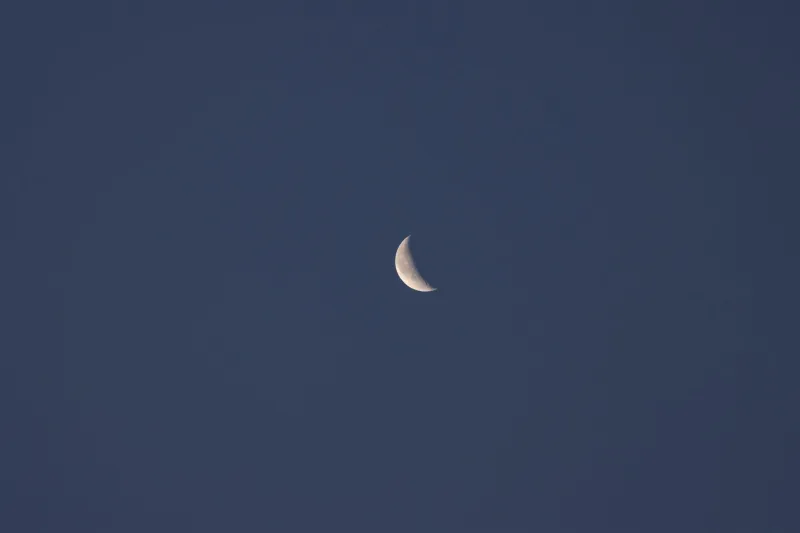
Most people chalk that post-full-moon exhaustion up to the moon being "done" and move on. But that's actually the moment the real healing work begins. The waning gibbous phase — those three to four days immediately following the full moon, when the illuminated portion of the moon starts visibly shrinking — is one of the most underutilized healing windows in the entire lunar cycle.
And honestly? It makes sense that we miss it. We're a culture obsessed with peaks. The full moon is dramatic and photogenic and everyone talks about it. The waning gibbous is quieter, slower, a little unglamorous. It doesn't have a great marketing team. But if you've been doing any kind of healing work — somatic therapy, grief processing, nervous system regulation, emotional release — this phase is your secret weapon.
What's Actually Happening in Your Body Right Now
Let's get into the science-adjacent stuff first, because it matters.
The full moon creates a measurable uptick in gravitational pull, which influences everything from ocean tides to the fluid systems in your body. Research has shown associations between the full moon and disrupted sleep, elevated cortisol, and heightened emotional reactivity. Your nervous system, particularly if you're already sensitized by stress or trauma, genuinely responds to that peak.
When the full moon passes and the waning gibbous begins, that gravitational intensity starts to ease. Think of it like the exhale after a long inhale. Your body — particularly your lymphatic system and your parasympathetic nervous system — begins shifting back toward a rest-and-digest state. This is not the time to push. This is the time to release.
In traditional Chinese medicine, the waning moon corresponds to a yin energy phase — receptive, inward, cooling. Ayurvedic practitioners have long observed this period as optimal for elimination: clearing out what no longer serves, whether that's physical waste, emotional residue, or stagnant thought patterns. Both systems, developed independently across different continents, landed on the same basic truth: the waning moon wants to move things out.
The Emotional Toxin Problem Nobody Talks About
We're pretty comfortable talking about physical detox. Green juice, lymphatic massage, cutting out sugar — all of that has found a mainstream audience. But emotional detox? We're still a little awkward about it in American wellness culture.
Here's the thing though: unprocessed emotional experiences don't just disappear. They get stored — in the body's tissues, in the nervous system's threat-response patterns, in the way your shoulders creep toward your ears when something stressful happens. Somatic therapists call this "incomplete stress cycles," and the research behind it (particularly the work of Drs. Emily and Amelia Nagoski) is genuinely compelling.
The full moon tends to surface a lot of that stored material. Old grief. Buried resentment. The anxiety you've been white-knuckling through. When you hit the waning gibbous phase, your system is primed — more than at any other point in the cycle — to actually move that stuff through and out.
But only if you give it a pathway.
A Waning Gibbous Protocol for Emotional Release
This doesn't have to be complicated or take hours out of your day. Here's what works, especially during that first three to four day window after the full moon:
Morning: Somatic shaking (5-10 minutes) This one feels weird at first, but stay with it. Stand with your feet hip-width apart, bend your knees slightly, and let your body begin to shake — starting with your legs and letting it travel upward. This mimics the natural tremoring response that animals use to discharge stress after a threat passes. It activates your parasympathetic nervous system and literally shakes loose tension stored in your muscles. Do it until you feel a natural warmth or tingling, then stand still and breathe.
Midday: Grief journaling without editing Not gratitude journaling. Not manifestation scripting. Grief journaling — which means writing about what hurts, what you're carrying, what you wish were different, without trying to reframe it or find the silver lining. Set a timer for ten minutes. Write ugly. The waning gibbous is not a time for toxic positivity. It's a time for honest reckoning.
Evening: Castor oil pack over the liver This one comes straight from naturopathic and Ayurvedic traditions. The liver is associated with processing both physical and emotional toxins — in TCM, it's specifically connected to anger and grief. Applying a castor oil pack (a flannel cloth soaked in cold-pressed castor oil, placed over the right side of your abdomen, covered with a heating pad) for 45-60 minutes in the evening has been used for generations to support lymphatic flow and liver function. It's also deeply, almost embarrassingly relaxing.
Before sleep: Legs-up-the-wall pose (Viparita Karani) This restorative yoga posture is one of the most effective tools for nervous system downregulation that exists, and it's completely free. Lie on your back with your legs resting up against a wall, a bolster or folded blanket under your hips if you have one. Stay here for ten to twenty minutes. Let gravity do the work. This posture supports venous return, calms the vagus nerve, and signals to your body that it is safe to fully rest.
Working Through Grief Specifically
Grief deserves its own mention here because it's one of the things that gets most stuck in American culture. We're not great at sitting with loss — we want to move through it quickly, get back to functional, stop being a burden. The waning gibbous phase offers a kind of cosmic permission slip to actually feel it.
If you're carrying grief right now — for a person, a relationship, a version of your life that didn't happen — this is your window. Not to wallow, but to process. There's a difference. Wallowing is circular and goes nowhere. Processing moves through you and leaves something behind: a little more space, a little more breath.
Cry if you can. If you're someone who has trouble crying (often a nervous system protection response), try watching something that reliably gets you — a movie, a piece of music, even a video of something tender and beautiful. Give your body a doorway.
Setting Up for the New Moon Before It Arrives
Here's the long game: how you spend the waning gibbous phase directly determines how available you are to receive what the new moon brings.
If you move from full moon into new moon without a real release period — if you just push through the tiredness and ignore the emotional material that surfaced — you carry it into the next cycle. And then the next one. And then you wonder why you keep setting the same intentions and nothing seems to shift.
The waning gibbous is the clearing. It's the sweep before you reset the room. You can't really plant new seeds in soil that's still full of last season's roots.
So the next time the full moon passes and you feel that post-peak deflation, resist the urge to just push through it. Slow down. Shake a little. Write the hard thing. Rest more than feels reasonable. Let your body do what the moon is asking it to do.
This phase won't trend the way the full moon does. It probably won't get a thousand posts on your Instagram feed. But for the people who learn to work with it, it quietly becomes the most transformative part of the entire cycle.
And that, honestly, feels very on-brand for healing work in general.