Let the Light Fade, Let the Illness Go: What Ancient Healers Understood About the Waning Moon and Immune Health
There's something almost instinctual about the urge to slow down, clear out, and rest when the moon begins to shrink in the sky. If you've ever felt a pull toward tidying up your space, cutting out sugar, or finally committing to that herbal tea cleanse during the second half of the lunar month — you're not imagining things. You might actually be tuned into something ancient healers mapped out long before modern medicine had a word for it.
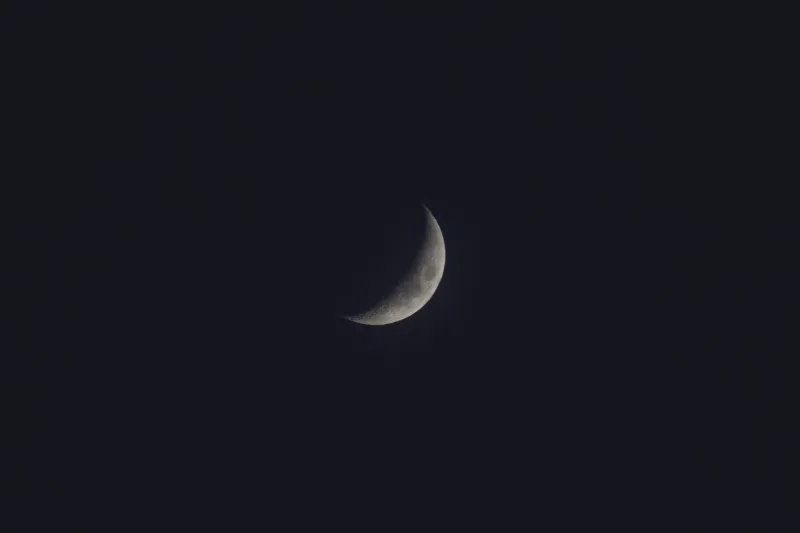
The waning moon — the two-week stretch between the full moon and the new moon — has been regarded across cultures as the ideal time for releasing, purging, and healing. Ayurvedic practitioners in India, Indigenous healers across the Americas, and European herbalists alike noted that treatments aimed at drawing out illness or clearing toxins seemed to work better during this phase. That's a pretty remarkable cross-cultural consensus. So what's actually going on in the body? And how can you use this window strategically today?
What "Waning" Actually Means for Your Biology
Let's start with the basics. The waning moon phase begins right after the full moon peaks and progresses through the gibbous, third quarter, and crescent stages until it disappears into the new moon. During this time, the moon's gravitational pull on Earth shifts — and while we usually talk about tides when we discuss lunar gravity, some researchers have begun exploring whether these forces influence fluid dynamics in living tissue as well.
More compellingly, circadian rhythm science — which earned its researchers a Nobel Prize in 2017 — has opened the door to understanding how biological systems are deeply time-sensitive. Your immune cells don't just fight infection randomly throughout the day. They operate on schedules. Natural killer cells, T-cells, and cytokine production all peak and trough in predictable patterns. When you layer lunar cycle research on top of circadian biology, an interesting picture starts to emerge.
A 2021 study published in Science Advances found that human sleep patterns shift measurably across the lunar cycle, with people sleeping less and going to bed later in the days leading up to a full moon — and then gradually recalibrating during the waning phase. Sleep, of course, is one of the most critical windows for immune repair. The waning moon's quieter energy may literally support the kind of deep, restorative sleep your immune system needs to do its best work.
The Traditional Case for Waning Moon Cleansing
Ayurveda calls this period ideal for shodhana — purification. The logic is elegant: just as the moon pulls back its light, the body is primed to pull back excess, release accumulated ama (toxins), and shed what no longer serves. Traditional Chinese Medicine echoes this with the concept of yin energy becoming more dominant as the moon wanes, supporting inward, restorative processes over outward, energetic ones.
European folk medicine, particularly in rural American traditions carried over from German and Celtic settlers, also held that the waning moon was the right time to harvest medicinal roots (which were thought to hold more concentrated healing compounds when pulled inward rather than expressed outward), treat infections, and perform fasting or cleansing rituals.
None of this is coincidence. These traditions developed independently but arrived at similar conclusions through generations of careful observation. That's worth taking seriously.
How to Time Your Immune Support Strategically
So what does this actually look like in practice? Here's how to align your wellness routine with the waning moon window:
Supplements and Herbal Allies
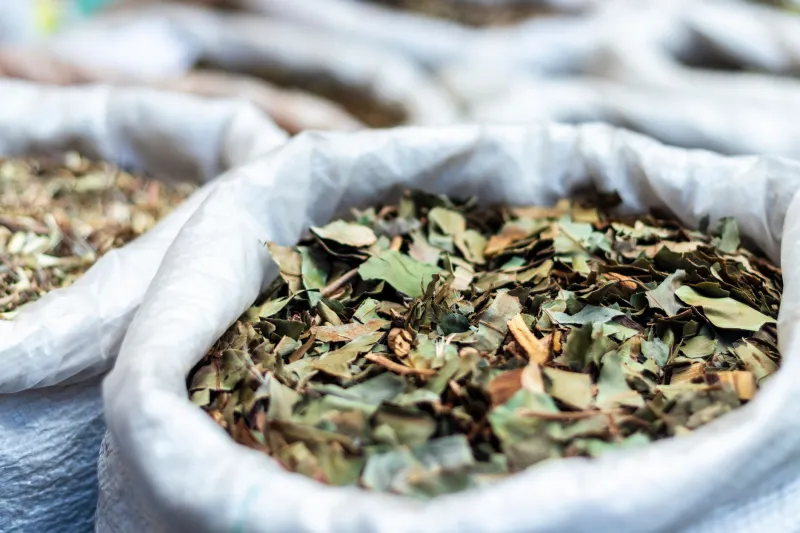
The waning moon is an excellent time to lean into herbs and supplements that support elimination and immune modulation — think less about boosting and more about clearing. Some great options to incorporate:
- Echinacea and elderberry — classic immune supports that help your body finish the job of clearing pathogens
- Dandelion root and milk thistle — liver-supportive herbs that assist the body's natural detox pathways
- Astragalus — an adaptogen that helps regulate immune response rather than just spike it
- Triphala — an Ayurvedic formula specifically used during purification phases to support gentle digestive cleansing
If you're already taking daily supplements, the waning moon is a good time to audit them. Are you taking things that feel more like "building up" energy when your body might benefit from a reset? Consider rotating in some gentler, cleansing-oriented options during this phase.
Energy Work and Emotional Release
Immunity isn't purely physical — stress hormones like cortisol actively suppress immune function, which is why you so often get sick right after a major life event. The waning moon phase is traditionally associated with releasing emotional weight, and that's not just spiritual fluff. Letting go of chronic stress through somatic practices, journaling, or energy work like Reiki or acupuncture can directly reduce the cortisol burden on your immune system.
Consider scheduling your acupuncture appointments or massage sessions during the waning phase. Many practitioners who work within holistic frameworks already time their treatment protocols this way.
Movement and Rest
This isn't the lunar phase for high-intensity training. Overexercising during the waning moon — when your body is naturally inclined toward restoration — can actually tax your immune system rather than support it. Swap the HIIT class for yin yoga, long walks, or gentle stretching. Your lymphatic system, which is a critical part of immune function, benefits enormously from low-intensity movement that keeps fluid circulating without overwhelming your system.
Food as Medicine
Lean toward warming, easily digestible foods during the waning phase. Soups and stews, fermented foods for gut health (your gut houses about 70% of your immune tissue), and bitter greens that support liver detox are all excellent choices. Reduce alcohol, processed sugar, and heavy meals that create metabolic burden.
A Simple Waning Moon Immune Ritual to Try This Month
You don't need an elaborate setup to start working with this phase. Here's a simple practice to try starting the day after the next full moon:
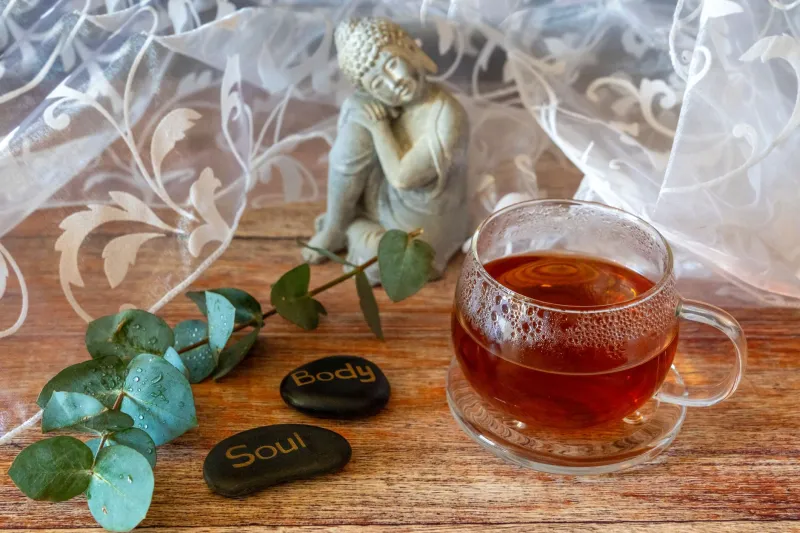
- Morning: Begin your day with warm lemon water and a dandelion root tea before coffee. Set an intention to release something — a habit, a resentment, a pattern — that's been weighing on you.
- Afternoon: Take a 20-minute walk outside, ideally in nature. Focus on slow, deep breathing to activate lymphatic circulation.
- Evening: Write down one thing you're letting go of. Burn it, bury it, or simply close the journal with intention. Follow with a warm bath using Epsom salts and a few drops of eucalyptus or lavender essential oil.
- Before bed: Take any evening supplements you're working with, turn off screens an hour early, and allow your body to sink into the restorative sleep it's primed for during this phase.
Do this consistently across the two-week waning window and notice how you feel by the new moon. Many people report feeling genuinely lighter — emotionally and physically — by the end of the cycle.
The Bottom Line
The waning moon isn't a time to push through or power up. It's a time to trust your body's innate intelligence to clear, repair, and renew. Ancient healers didn't have peer-reviewed journals, but they had something equally powerful: generations of careful, embodied observation. Modern science is slowly catching up to what they already knew.
Work with the fading light. Your immune system will thank you.