Your Hormones and the Moon: A Phase-by-Phase Guide to Feeling More Balanced All Month Long
Here's something that might shift how you think about your health: hormonal balance isn't a destination. It's a rhythm. And if you've been chasing "balanced hormones" like it's a static state you can achieve and maintain with the right supplement stack, you've probably hit a wall at some point. Because your endocrine system isn't designed to stay flat — it's designed to pulse, peak, dip, and recover in cycles.
What's fascinating is how well those cycles can map onto the lunar month when you start paying attention. And no, this isn't just about periods. Whether you menstruate, you're postmenopausal, you're on hormonal birth control, or you're a person who's never tracked a cycle in your life — your cortisol still rises and falls, your thyroid still fluctuates, your serotonin and dopamine still respond to light, sleep, and stress in patterned ways. The moon gives us a shared framework for tuning into all of it.
Let's break it down, phase by phase.
Why Hormones and Lunar Cycles Are Worth Connecting
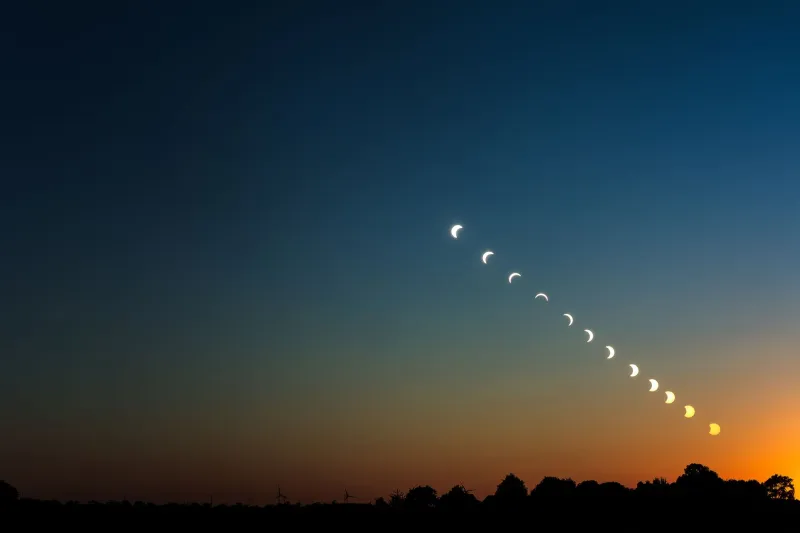
Before we dive in, a quick note on the science. The moon's 29.5-day cycle is close enough to the average hormonal cycle (roughly 28 days) that researchers have long suspected a biological relationship. A landmark 2021 study found measurable shifts in human sleep architecture across the lunar month — less REM sleep and later sleep onset in the days before a full moon, more deep, restorative sleep during the waning and new moon phases. Since sleep is one of the most powerful regulators of cortisol, growth hormone, and thyroid function, this finding alone is significant.
Additionally, light exposure — which changes meaningfully across lunar phases — directly influences melatonin production, which in turn affects estrogen metabolism, thyroid-stimulating hormone (TSH), and serotonin synthesis. The moon isn't acting on your hormones like a magic wand, but it is part of the environmental context your endocrine system evolved within. Working with it is less mystical than it sounds — it's actually pretty grounded in environmental biology.
New Moon: Reset, Restore, and Support Your Thyroid
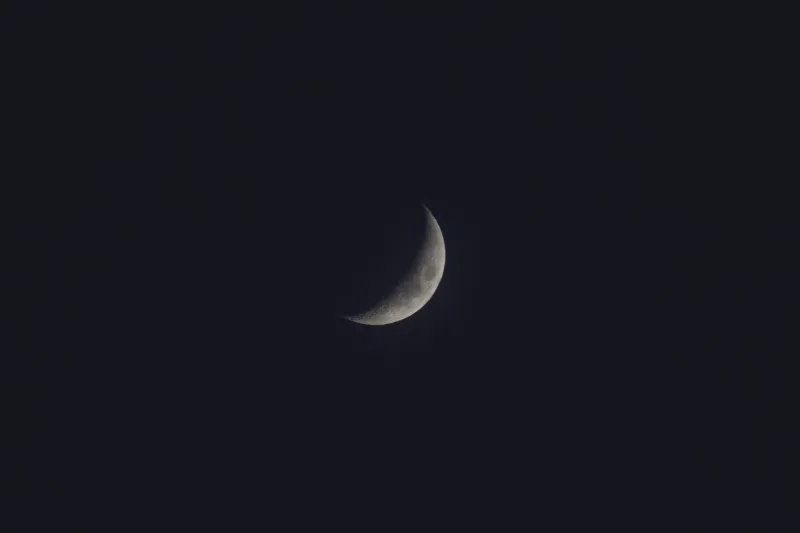
The new moon is dark, quiet, and often described in wellness circles as a time for intention-setting. But physiologically, it's also a natural rest point — a moment when the body, if you're listening, tends to crave stillness and inward focus.
This is a good phase to pay attention to thyroid health. The thyroid is exquisitely sensitive to stress and sleep disruption, and after the often-restless full moon period, many people notice fatigue, brain fog, or sluggishness right around the new moon. Rather than fighting that with caffeine, lean into it.
What to do during the new moon:
- Prioritize 8-9 hours of sleep — this is when your body is most receptive to deep restoration
- Add selenium-rich foods (Brazil nuts, sardines, eggs) to support thyroid conversion
- If you take thyroid supplements or adaptogens like ashwagandha, this is a good phase to assess whether your current dose is still serving you
- Keep exercise gentle — restorative yoga, slow walks, or light stretching
- Journaling or quiet meditation can reduce cortisol and indirectly support hormonal regulation
Waxing Crescent to First Quarter: Build Your Energy Intentionally
As the moon begins to grow, there's a natural uptick in energy that most people feel — even if they can't explain it. Biologically, this is a good time to support serotonin and dopamine production, which are mood neurotransmitters that also influence cortisol regulation and sleep quality downstream.
This phase is ideal for gradually increasing exercise intensity. Think of it as a ramp-up — not a sprint. Strength training during the waxing phase supports muscle building, which matters for hormonal health because muscle tissue is metabolically active and helps regulate insulin sensitivity (a key factor in estrogen balance).
What to do during the waxing crescent to first quarter:
- Add protein-rich meals to support neurotransmitter synthesis — your brain makes serotonin from tryptophan, found in turkey, eggs, tofu, and pumpkin seeds
- Increase workout intensity progressively — this is a great phase for strength training or moderate cardio
- Get morning sunlight exposure to anchor your circadian rhythm and support vitamin D production (which directly influences both thyroid function and hormone metabolism)
- Start new wellness habits here — the waxing energy supports follow-through better than any other phase
Full Moon: Peak Energy, Peak Cortisol — Manage It Wisely
The full moon gets a lot of attention, and for good reason. Sleep studies consistently show disruption around the full moon, and many people notice heightened emotions, restlessness, or a wired-but-tired feeling. What's happening hormonally? Cortisol — your primary stress hormone — tends to run higher during this phase, particularly if sleep is compromised.
High cortisol isn't inherently bad in short bursts, but chronically elevated cortisol suppresses thyroid function, disrupts estrogen-progesterone balance, and interferes with bone density over time. Managing the full moon's energy rather than just riding it out is genuinely good endocrine hygiene.
What to do during the full moon:
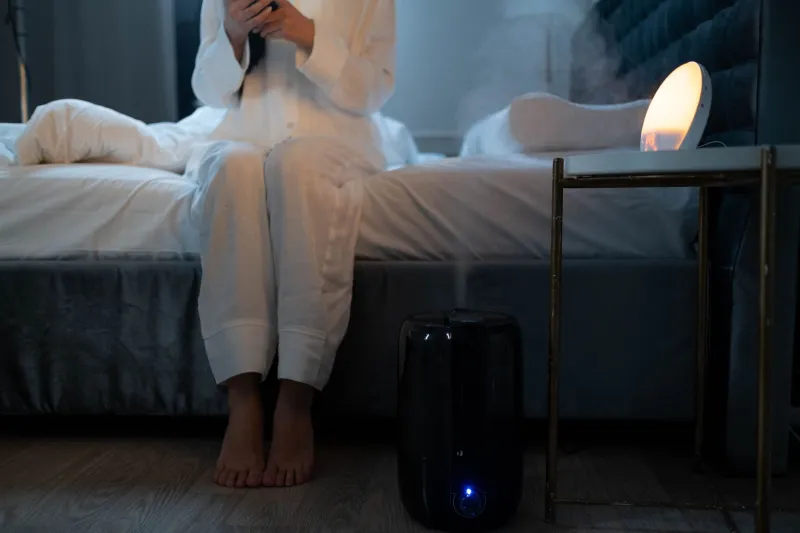
- Protect your sleep aggressively — use blackout curtains, an eye mask, or keep your bedroom cooler than usual to counteract the extra light stimulation
- Take magnesium glycinate in the evening (300-400mg is a common starting dose) to support both sleep quality and cortisol regulation
- Channel the peak energy into social connection or creative expression rather than overexertion — this reduces the stress load without suppressing the vitality
- Limit alcohol, which spikes cortisol and disrupts the already-challenged sleep of the full moon window
- Adaptogenic herbs like rhodiola or holy basil can help blunt cortisol peaks without flattening your energy entirely
Waning Gibbous to Last Quarter: The Hormone Reset Window
As the moon shrinks back toward darkness, your body enters what might be its most underappreciated hormonal window. This is when progesterone (in menstruating bodies) is either peaking or beginning to decline, and when cortisol, if well-managed, starts to come back down from its full moon heights.
This is also a critical phase for bone health. Estrogen and progesterone both play roles in bone density, and the fluctuations during the waning phase make it an ideal time to focus on calcium, magnesium, and vitamin K2 — the trio that supports bone mineralization. This matters for everyone, but especially for perimenopausal women and anyone with a family history of osteoporosis.
What to do during the waning phase:
- Focus on calcium-rich foods: leafy greens, canned salmon with bones, fortified plant milks, and sesame seeds
- Add vitamin K2 (MK-7 form) if you're not already taking it — it directs calcium into bones rather than arteries
- Reduce inflammatory foods that can aggravate hormonal imbalance: refined sugar, seed oils, and alcohol
- This is the best phase for lymphatic support — dry brushing, gentle rebounding, or a sauna session if you have access
- Let your exercise intensity taper down as you approach the new moon
Waning Crescent: Honor the Quiet
The final days before the new moon are often the most overlooked — and the most important. This is the phase when your body is completing its hormonal cycle, wrapping up any inflammatory processes, and preparing for renewal. Pushing hard during this window is one of the fastest ways to dysregulate your entire next cycle.
What to do during the waning crescent:
- Embrace true rest — this isn't laziness, it's biological wisdom
- Support liver health, which is responsible for clearing used hormones from the body: eat bitter greens, minimize toxin exposure, and consider a cup of milk thistle tea in the evening
- Practice breathwork or yin yoga to activate the parasympathetic nervous system and bring cortisol to its natural low point
- Reflect on what felt out of balance this month — hormonal symptoms are information, not inconveniences
You Don't Have to Menstruate to Work With This
One of the most empowering things about lunar hormone tracking is that it's not period-dependent. If you're postmenopausal, on hormonal contraception, or simply don't have a cycle that follows a predictable pattern, the moon gives you an external rhythm to anchor to. Your cortisol still cycles. Your sleep still responds to light. Your thyroid still needs seasonal and cyclical support.
The lunar calendar is available to every body. And once you start working with it rather than defaulting to the same flat routine every day of the month, you might be surprised how much more responsive — and resilient — your hormonal health becomes.
Start small. Pick one phase. Try one new practice. See how you feel by the next new moon. That's all it takes to begin.